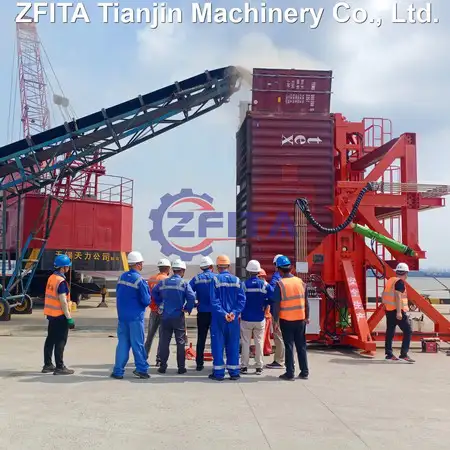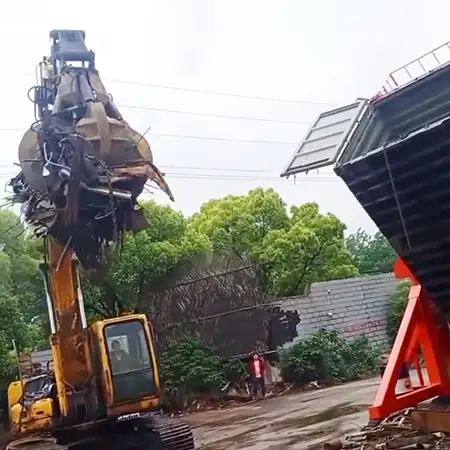
Every day, millions of tons of raw materials move through mines, ports, grain terminals, recycling facilities, cement plants, and manufacturing sites around the world. These materials—including coal, iron ore, grain, plastic pellets, cement, biomass, fertilizers, and scrap metal—must be transported, stored, loaded, unloaded, and processed efficiently.
This entire process is known as bulk material handling.
Bulk material handling refers to the engineering systems, equipment, and operational methods used to move large quantities of loose materials safely and efficiently throughout the supply chain. Modern bulk handling solutions improve productivity, reduce labor costs, minimize dust emissions, and increase workplace safety.
Whether materials are transported by conveyor, truck, rail, vessel, or shipping container, an effective bulk material handling system plays a critical role in industrial operations.
What Are Bulk Materials?
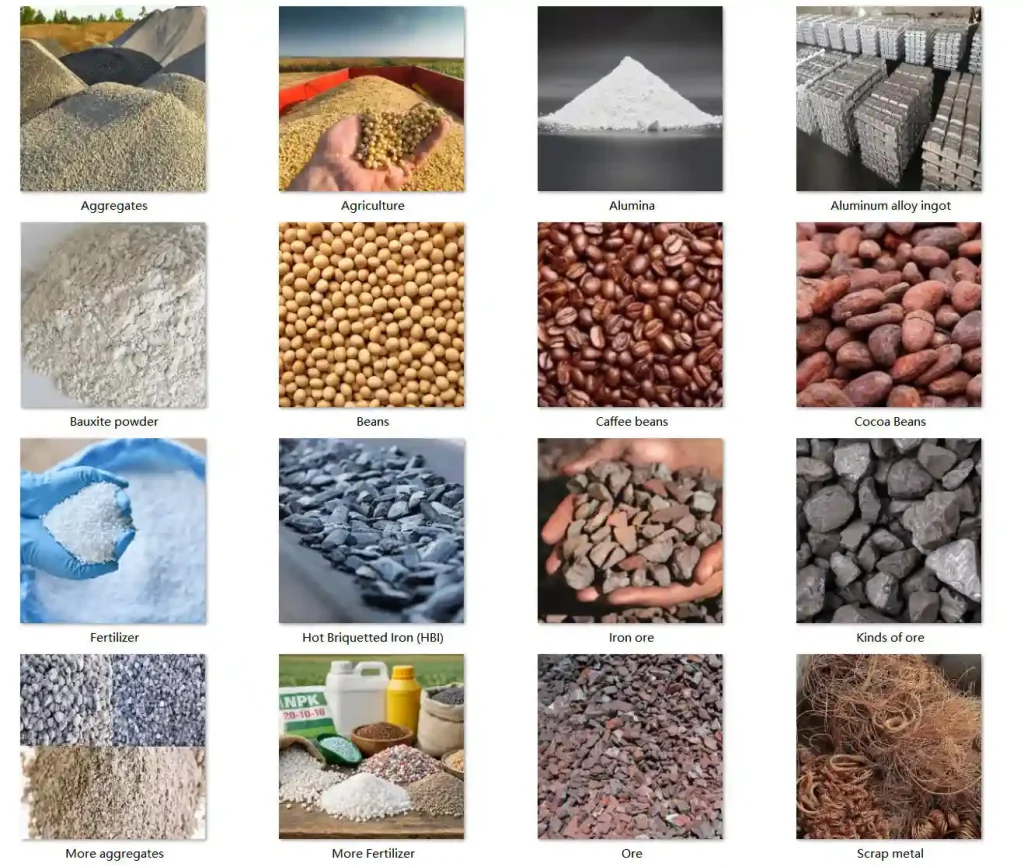
Bulk aterials are loose, unpackaged materials that are handled in large quantities rather than individual units.
Typical examples include:
Mining
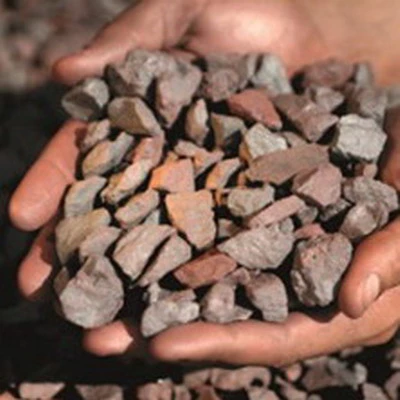
- Copper concentrate
- Iron ore
- Coal
- Nickel ore
- Lithium ore
- Bauxite
Agriculture

- Wheat
- Corn
- Soybeans
- Rice
- Barley
Construction

- Cement
- Sand
- Gravel
- Limestone
Recycling

- Scrap metal
- Waste paper
- Plastic flakes
- Plastic pellets
Energy
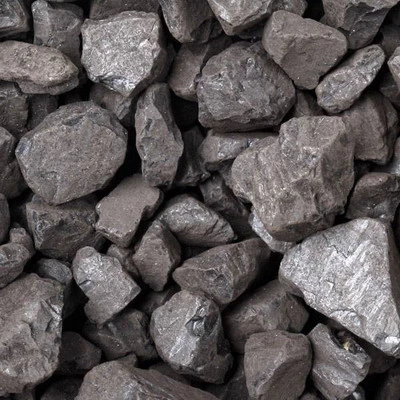
- Biomass
- Wood chips
- RDF
- Coal
These materials usually require specialized equipment because they flow differently depending on particle size, moisture content, density, and handling requirements.
How Does a Bulk Material Handling System Work?
A typical bulk material handling system consists of several interconnected processes.
Receiving → Storage → Transportation → Loading / Unloading → Processing → Shipping
For example, at a grain export terminal:
- Grain arrives by truck.
- Trucks unload into receiving hoppers.
- Conveyors transport grain to storage silos.
- Grain is transferred to loading systems.
- Shipping containers or vessels are loaded for export.
Every step requires dedicated equipment designed for efficient material flow.
Types of Bulk Material Handling Equipment
Different industries require different equipment depending on material characteristics and production capacity.
Common equipment includes:
Conveyors
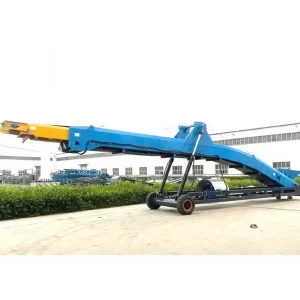
Used for continuous transportation of bulk materials over short or long distances.
Common types include:
- Belt conveyors
- Screw conveyors
- Chain conveyors
- Pneumatic conveyors
Hoppers
Temporary storage units that regulate material flow.
Silos
Large-capacity storage systems widely used in grain, cement, and mining industries.
Feeders
Control the flow rate of materials entering downstream equipment.
Stackers & Reclaimers
Used in stockyards for storing and recovering bulk materials.
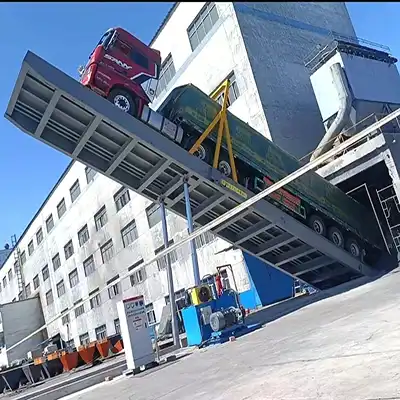
Truck Dumpers
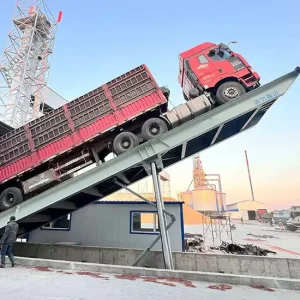
Hydraulically lift trucks to unload loose materials rapidly.
Typical industries:
- Mining
- Grain
- Cement
- Biomass
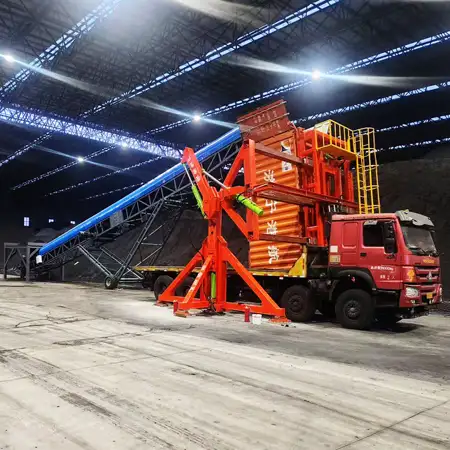
Container Tilters
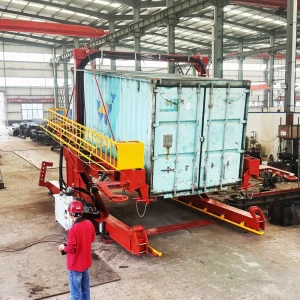
Hydraulically rotate ISO shipping containers to discharge bulk materials quickly and safely.
Common applications include:
- Scrap metal exports
- Grain exports
- Plastic resin
- Biomass
- Mining concentrates
Ship Loaders
Load vessels efficiently at ports and export terminals.
Where Is Bulk Material Handling Used?
Bulk handling systems support a wide range of industries.
| Industry | Typical Materials |
|---|---|
| Mining | Copper, coal, iron ore, lithium |
| Agriculture | Grain, corn, soybeans |
| Recycling | Scrap metal, plastics |
| Cement | Clinker, cement powder |
| Chemicals | Plastic pellets, fertilizer |
| Biomass | Wood chips, RDF |
| Ports | Bulk export cargo |
Common Challenges in Bulk Material Handling
Industrial facilities often face several operational challenges.
Dust Generation
Loose materials can generate significant airborne dust, creating environmental and safety concerns.
Material Spillage
Improper loading or conveying systems may lead to product loss and increased cleanup costs.
Labor Costs
Manual loading and unloading require significant manpower and can reduce productivity.
Equipment Wear
Abrasive materials such as iron ore and coal accelerate equipment wear.
Safety Risks
Manual handling increases the risk of injuries, vehicle interactions, and operational accidents.
Modern automated systems help address these challenges while improving overall efficiency.
Benefits of Automated Bulk Material Handling
Automation has become a key trend across mining, agriculture, ports, and recycling industries.
Major benefits include:
- Increased throughput
- Reduced labor requirements
- Improved workplace safety
- Lower dust emissions
- Higher loading accuracy
- Reduced product loss
- Lower operating costs
- Consistent production performance
As industries continue adopting automation, bulk material handling systems are becoming smarter, safer, and more energy-efficient.
Choosing the Right Bulk Material Handling Solution
Selecting the right system depends on several factors:
- Material type
- Bulk density
- Moisture content
- Particle size
- Required capacity
- Loading method
- Available installation space
- Environmental regulations
- Automation level
- Budget
There is no one-size-fits-all solution. A system designed for grain may not be suitable for copper concentrate or scrap metal.
Future Trends in Bulk Material Handling
The industry is rapidly evolving with new technologies such as:
- Intelligent automation
- Remote monitoring
- Predictive maintenance
- Energy-efficient hydraulic systems
- AI-assisted process optimization
- Dust-free loading technologies
- Electric-powered equipment
- Digital production management
These innovations help operators improve productivity while meeting increasingly strict environmental and safety standards.
Conclusion
Bulk material handling is the foundation of modern industrial logistics. From mines and grain terminals to recycling yards and ports, efficient handling systems ensure that loose materials move safely, economically, and reliably throughout the supply chain.
As global industries continue investing in automation, choosing the right handling equipment and system design becomes increasingly important. Whether the goal is improving loading efficiency, reducing dust emissions, or lowering operating costs, a well-designed bulk material handling solution can deliver long-term operational benefits.