Vertical Container Loading Solution
Increase container utilization · Boost transport revenue · Reduce logistics costs
Industry Challenges

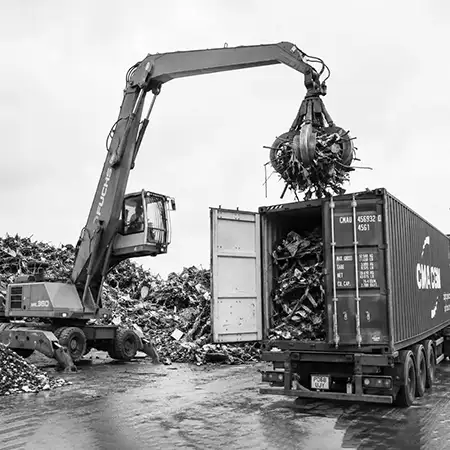
Limited Container Space Utilization
Traditional horizontal loading methods often leave significant empty space inside containers, especially when handling bulk materials, bags, or irregular cargo. This results in lower payload efficiency and increased transportation costs.
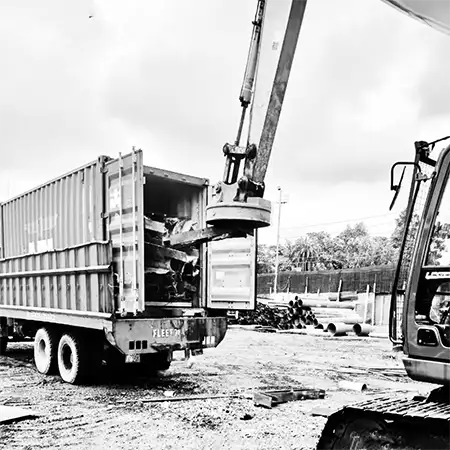
Hard to fully load, liable to container bulging
Many facilities lack enough space for large cranes, forklifts, or complex loading systems. Conventional container loading requires more handling equipment and larger operating areas.
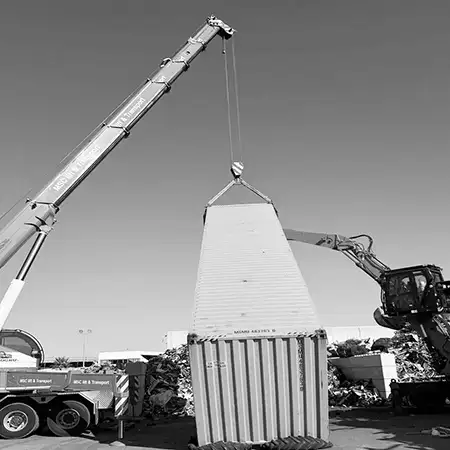
Unsafe Lifting Cannot Achieve Vertical Loading
Traditional crane-based lifting methods are often unstable and unable to achieve precise 90° vertical positioning of containers, leading to safety risks, inefficient operations, and inconsistent loading results.
Vertical Container Loading Solution
Maximum Space Utilization
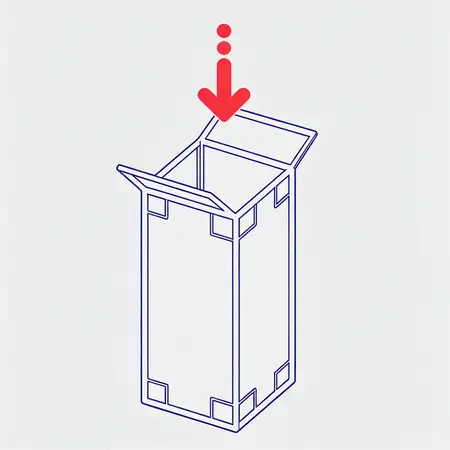
By positioning containers vertically during loading, the container tilter allows bulk materials to flow and settle naturally under gravity, making full use of the available container height and internal volume. This optimized loading method improves space utilization, increases payload capacity per container, reduces wasted space, and helps lower transportation costs by maximizing each shipment.
- Flow and settle naturally under gravity
- Internal volume
- Payload capacity per container
- Lower transportation costs
Reinforced Structure for Heavy-Duty Operations
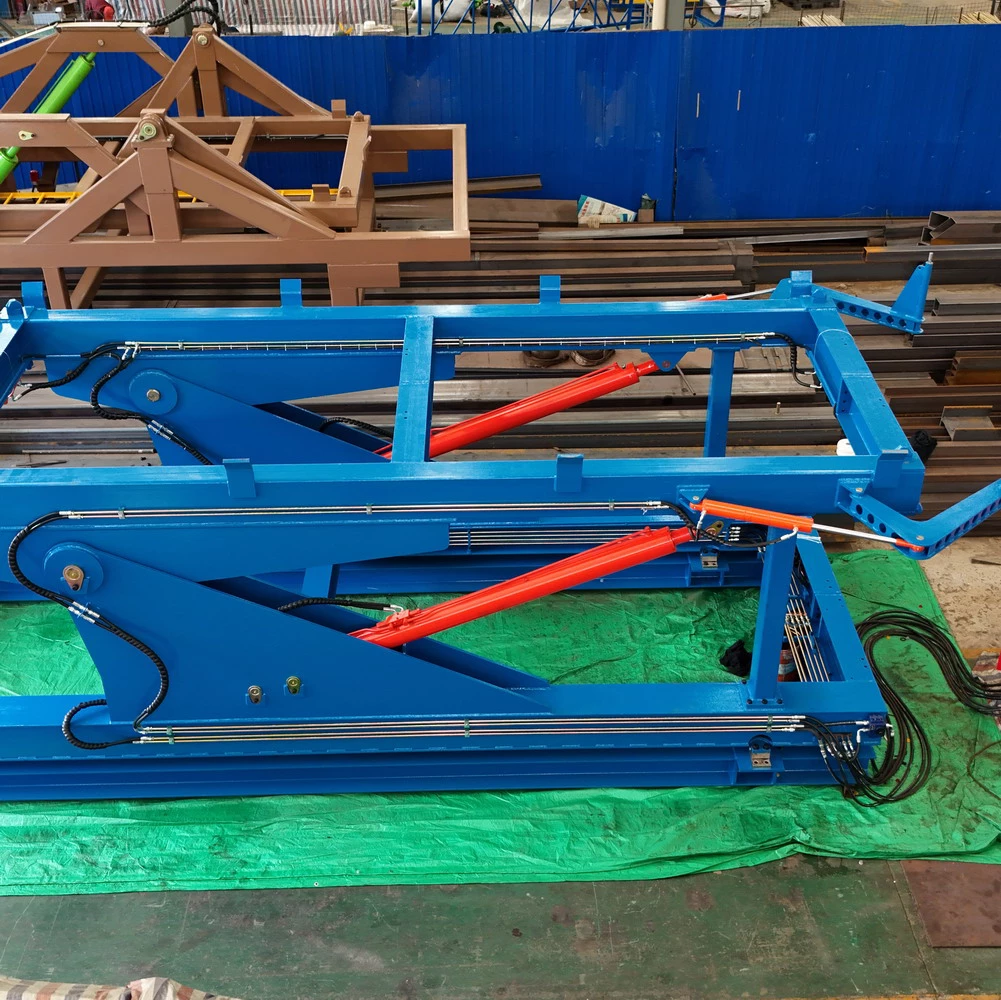
Designed with a heavy-duty reinforced steel structure, the container tilter provides excellent load-bearing capacity and structural stability for handling fully loaded containers. The robust design ensures reliable performance under demanding industrial conditions, reducing deformation risks and extending equipment service life for long-term operation.
- Fully loaded containers
- Load-bearing capacity
- Structural stability
- Reducing deformation risks
- Extending equipment service life
Accurate Weighing During Container Tilting
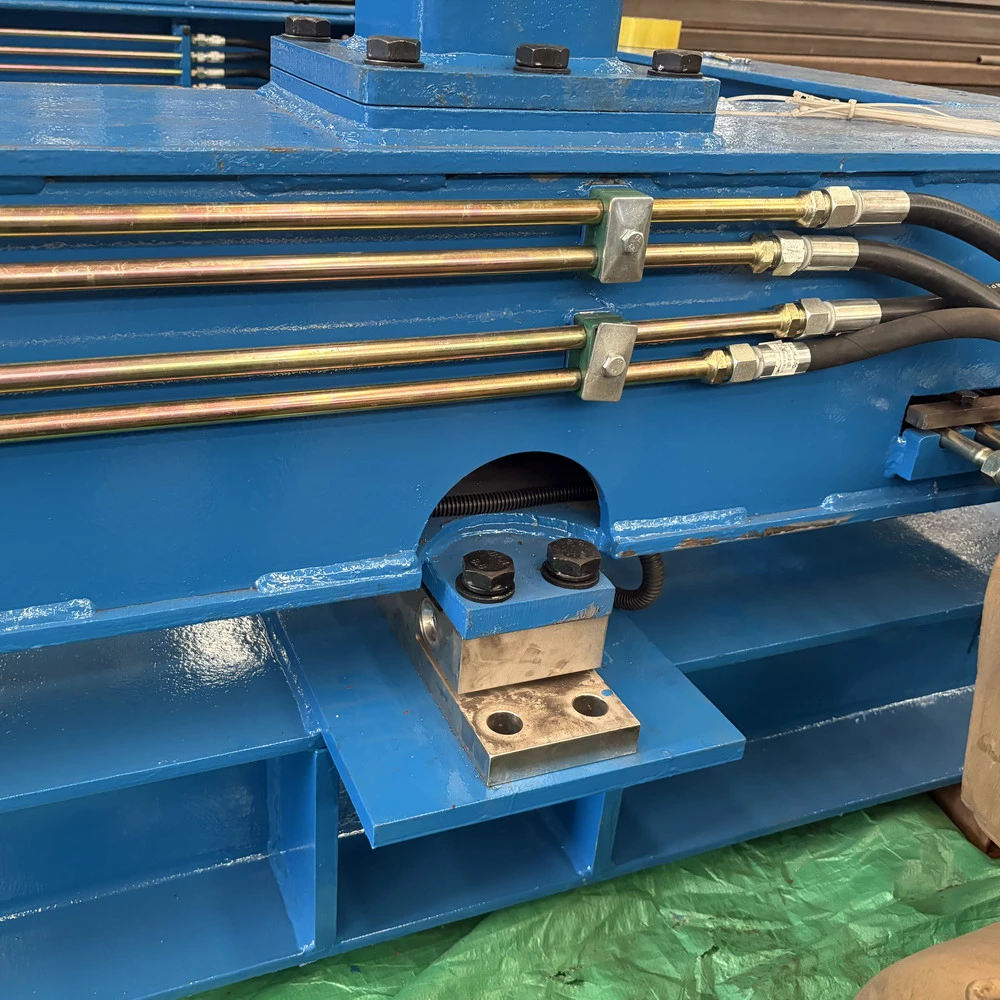
Equipped with an integrated weighing system, the container tilter enables accurate weight measurement during the tilting process. Operators can monitor the container weight in real time, helping optimize loading efficiency, prevent overloading, and ensure better control of cargo distribution.
- Integrated weighing system
- Accurate weight measurement
- Real-time monitoring
- Prevent overloading
- Cargo distribution
Traditional Loading VS Container Tilter Loading
| Traditional Loading | Loading via Container Tilter | |
|---|---|---|
| Container Space Utilization | Limited filling efficiency with uneven material distribution and unused upper space | Maximizes container internal volume by enabling vertical loading and natural material settlement |
| Loading Efficiency | Requires more manual handling and longer loading cycles | Faster loading process with simple operation and reduced handling steps |
| Safety & Stability | Crane-based lifting methods may cause unstable container positioning and higher operational risks | Stable hydraulic tilting provides precise 90° positioning and safer operation |
| Labor Requirements | Requires multiple workers and additional equipment such as cranes or forklifts | One operator can complete the tilting process, reducing labor dependency |
Working Principle
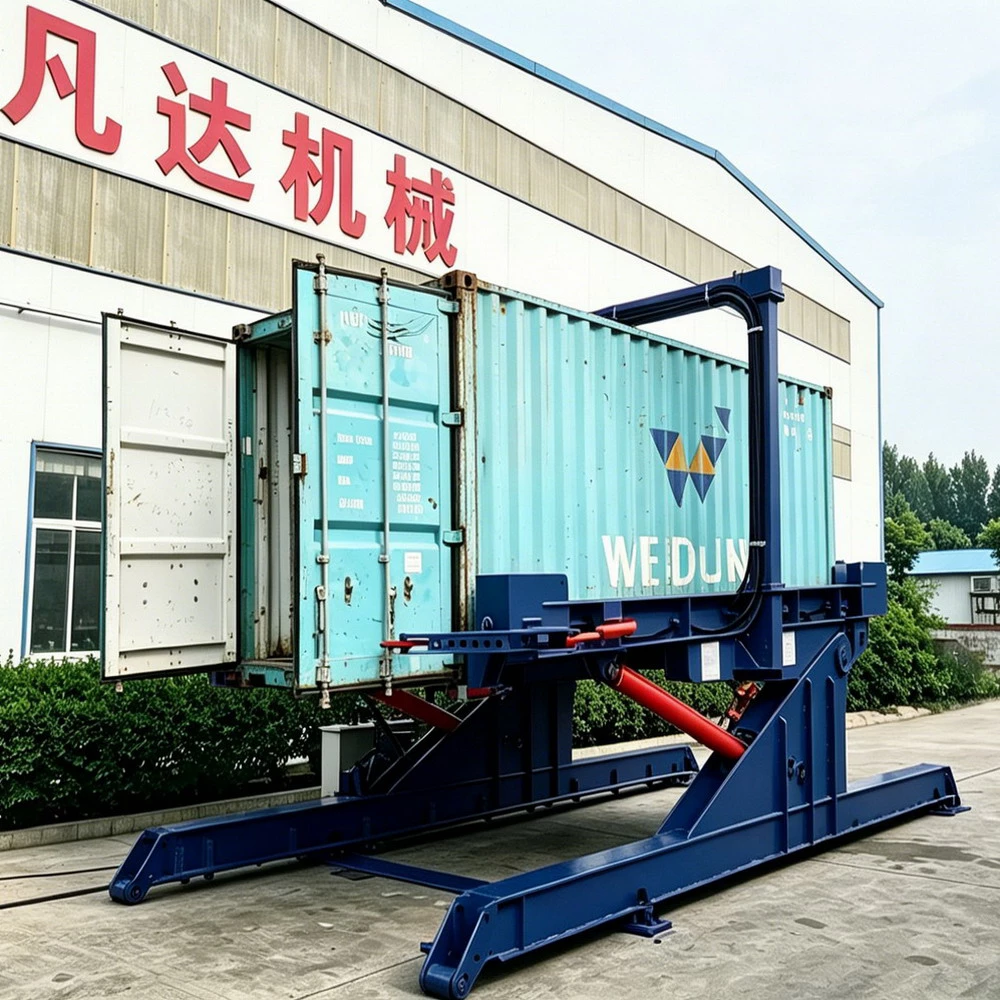
The container tilter uses a hydraulic lifting and rotating system to safely transform a horizontal container into a vertical loading position. By securing both ends of the container, the equipment provides stable support during the entire tilting process, eliminating the need for cranes or additional lifting equipment.
After the container is accurately positioned and locked, the truck can drive away, leaving the container securely held by the tilter. The hydraulic system then smoothly rotates the container to a 90° vertical position, allowing bulk materials to be loaded directly from the top opening.
In the vertical position, materials flow downward and settle naturally under gravity, improving filling efficiency and maximizing the available internal volume of the container. Once loading is completed, the container tilter safely returns the loaded container to the horizontal transport position for reconnection and shipment.
Value delivered to the customer
Reduce logistics costs
Transport more cargo in each container.
Improve container loading efficiency
Reduce packing time and shipping cycles.
Reduce reliance on manual labor
Automated processes reduce labor costs.
Enhance transport safety
Reduce the risk of container bulging and cargo damage.
Improve customer satisfaction:
More stable and punctual delivery capabilities.
Higher return on investment
Continuously create long-term logistics value.
Book a video meeting with our engineers →
Discuss your material handling requirements directly with our engineers. We will help you evaluate the right equipment solution based on your application, capacity, and site conditions.
Request a Quote
Tell us your material handling requirements. Our engineering team will provide a customized solution and quotation.