Bulk Truck Loading Solution
Increase container utilization · Boost transport revenue · Reduce logistics costs
Industry Challenges

Intermittent operation limits overall throughput.
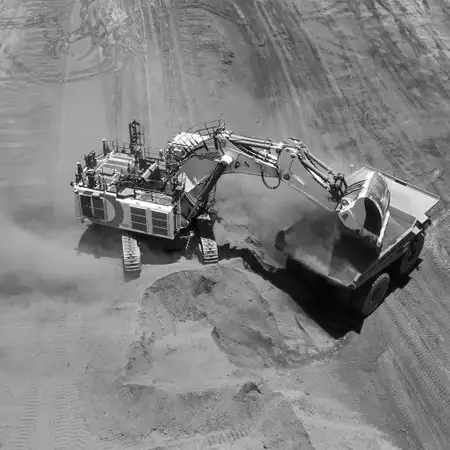
Excavator loading is flexible for temporary yards, yet suffers from intermittent output, high labour demand, heavy dust spillage, poor loading uniformity and high site wear.
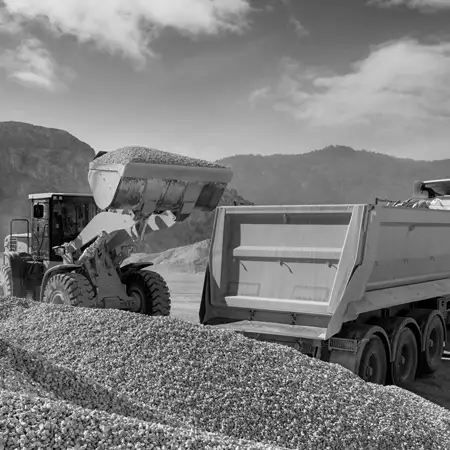
High‑consumption Loader‑Based Loading
The cyclic intermittent operation of wheel loaders consumes abundant fuel. Every scoop‑and‑dump action raises heavy dust. Hard bulk cargo may scratch truck bodies, and long‑hour repetitive work leads to driver fatigue hazards.
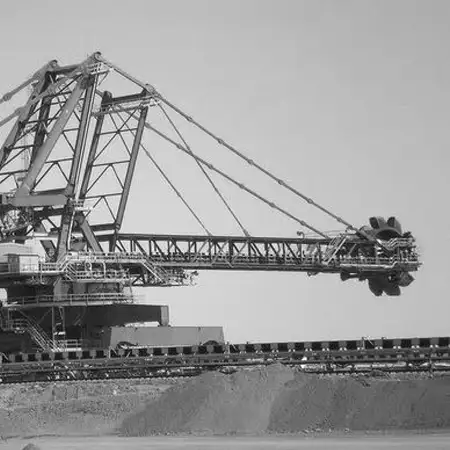
Inflexible Bucket‑wheel Loader Operation
Bucket‑wheel gear provides fast continuous feeding. Fixed‑rail versions demand expensive infrastructure. Mobile units suffer rapid bucket‑tooth wear from sharp hard aggregate, requiring frequent maintenance and ample‑space yards.
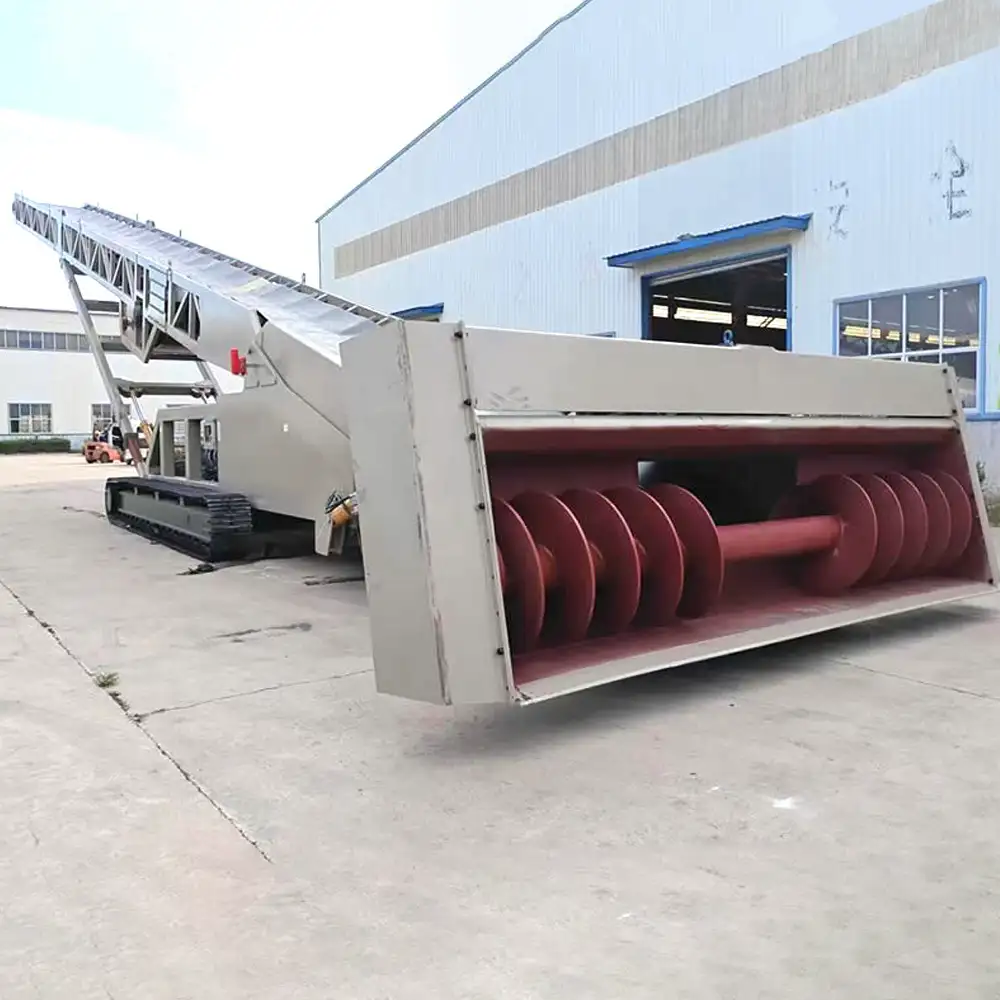
Bulk Truck Loading Solution
Cut‑Down Manual Labour & Safe Working Environment
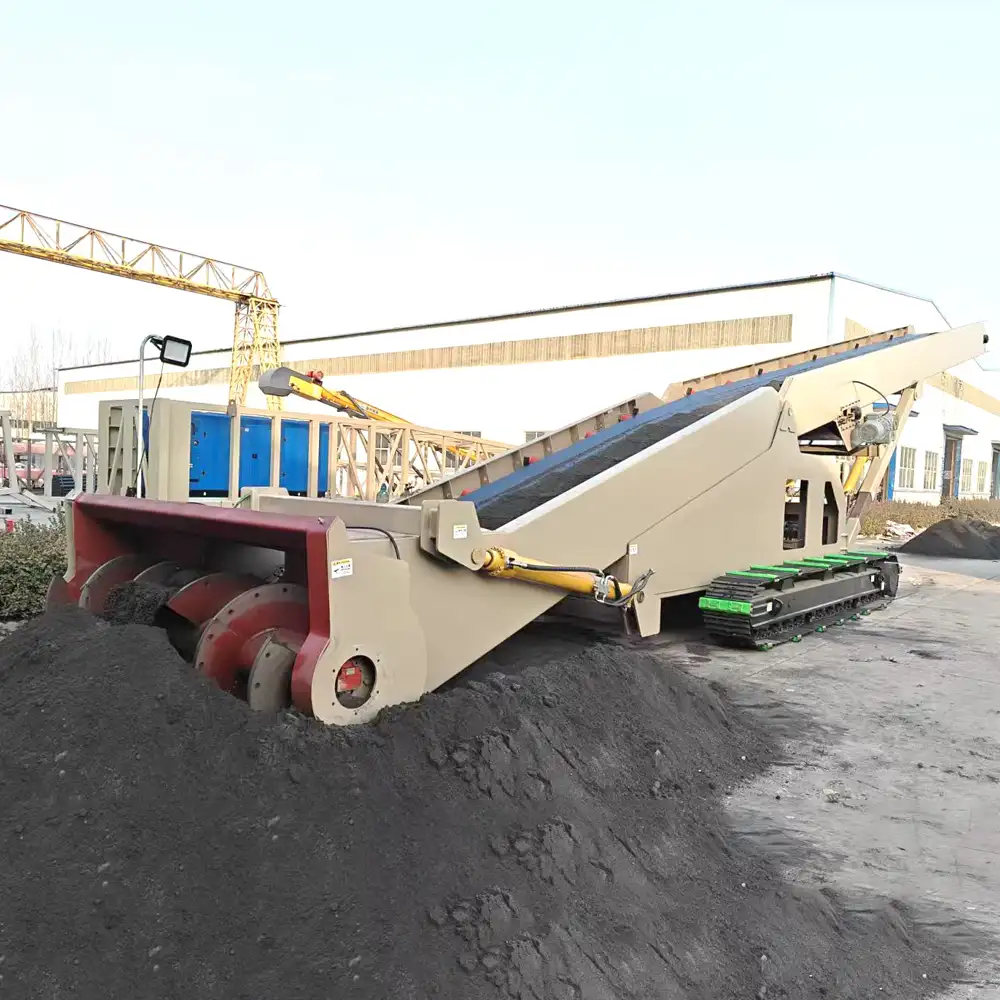
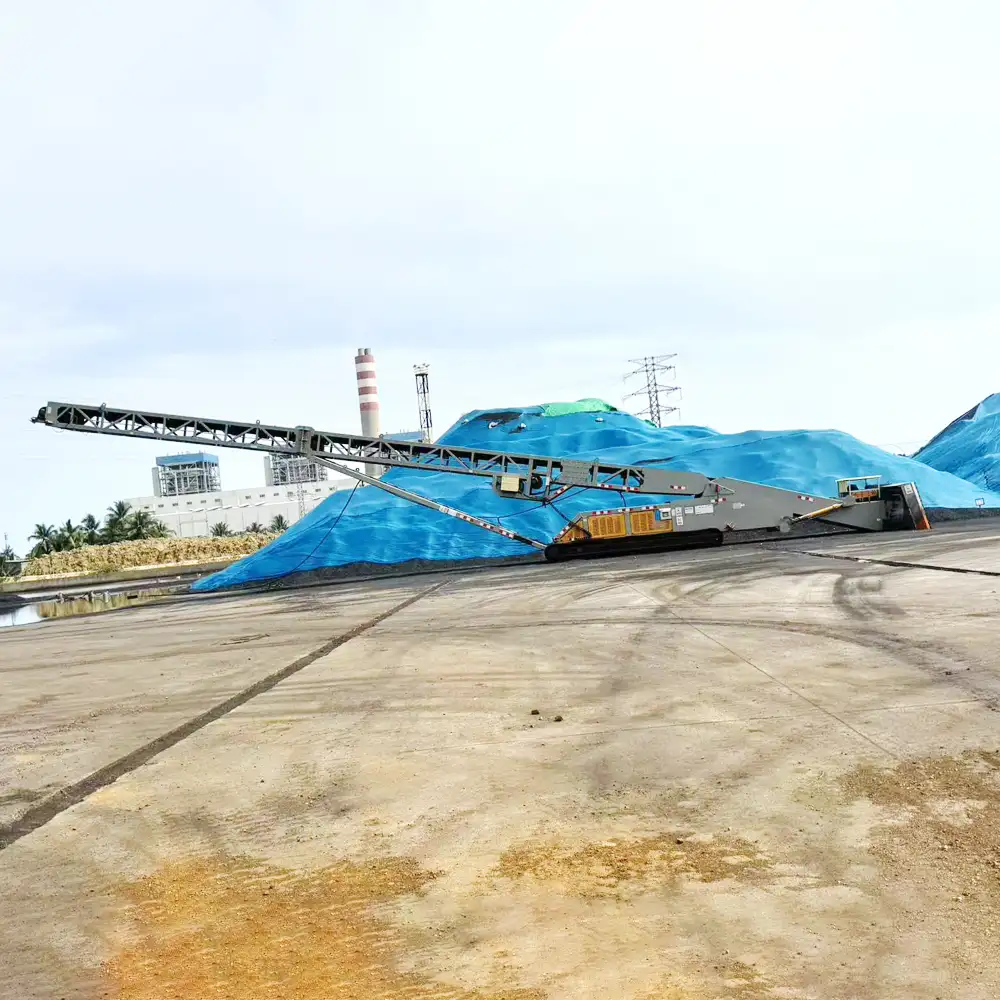
Our Self-feeding truck loading conveyor completes continuous bulk‑material feeding automatically. It replaces heavy‑duty manual spreading and shovelling work. Enclosed conveying structure suppresses flying dust and protects operators against occupational health hazards from dusty working‑site conditions.
- Eliminates strenuous manual loading work
- Controls dust and improves on‑site working conditions
- Reduces labour‑related safety risks
- Cuts long‑term labour expenses
Low‑consumption Continuous‑Cycle Loading & Dust Suppression
Different from the fuel‑intensive intermittent operation of wheel loaders, the Self-feeding truck loading conveyor runs for steady continuous feeding. Its sealed feeding‑inlet design greatly cuts down dust emission during bulk‑material transfer, and gentle material transportation prevents scratches and damages to truck containers.
- Low‑power continuous‑running structure saves fuel cost
- Enclosed feeding assembly restrains bulk‑material dust
- Gentle material transit avoids carriage abrasion
- Removes safety risks brought by long‑time driver fatigue
Strong Site Adaptability and Low‑cost Upkeep
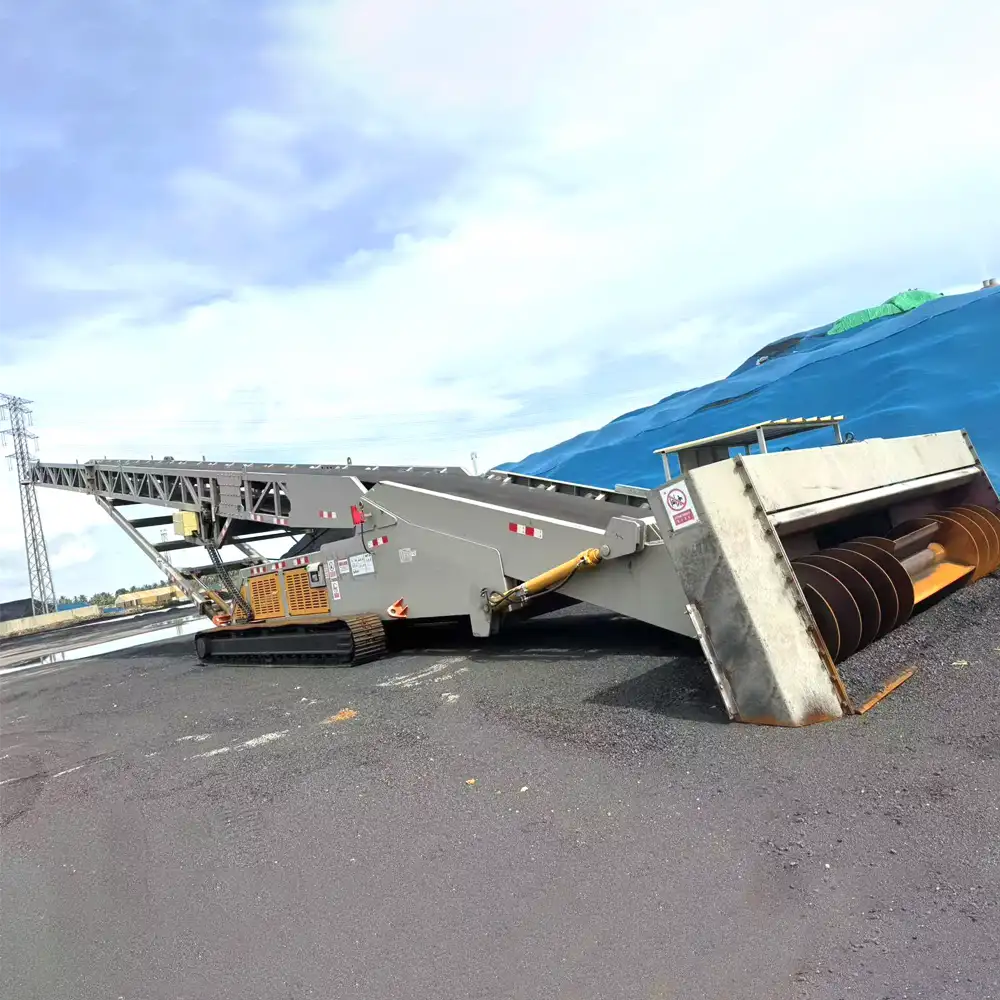
This Self-feeding truck loading conveyor needs no large‑scale fixed rail infrastructure. The detachable spiral head can cope with hard‑textured bulk aggregate. Compact overall framework fits narrow‑sized stock yards, and wearing parts are easy to inspect and replace for convenient routine maintenance.
- No expensive fixed‑track civil‑engineering investment
- Wear‑resistant spiral parts handle hard sharp bulk materials
- Compact body adapts to narrow‑space yards
- Simplified component structure lowers maintenance expenditure
Traditional Bulk Loading VS. Self‑Feeding Truck Loading Conveyor
| Traditional Ground‑Pile Loading (Manual + Wheel Loader) | Self‑Feeding Truck Loading Conveyor | |
|---|---|---|
| Loading Method | Intermittent cyclic operation — manual shovelling or loader scooping, swinging and dumping one bucket at a time. Frequent pauses slow down overall loading speed. | Fully continuous automatic feeding — the spiral reclaimer picks material straight from the ground pile and delivers it onto the belt in one uninterrupted flow, with no idle cycles. |
| Labour Dependency | Requires multiple on‑site workers — shovel hands, spotters and a dedicated loader driver. Heavy physical workload and dusty environment raise labour cost and safety risks. | One operator or even unattended running. The machine self‑feeds, stacks and loads automatically, drastically cutting manpower and removing workers from dust‑exposed positions. |
| Dust Control | Open scooping and free‑fall dumping generate heavy airborne dust. Material spillage is common, and on‑site environmental compliance is hard to maintain. | Enclosed spiral inlet and sealed belt transfer suppress dust at the source. Gentle material flow reduces spillage and helps stockyards meet environmental regulations. |
| Operating Cost | High diesel fuel consumption for the loader plus rising labour wages. Bucket teeth, tyres and truck bodies wear out quickly under hard‑impact loading. | Low electric power consumption and minimal labour input. Wear parts are simple and inexpensive to replace, and soft conveying action protects both the belt and truck bodies. |
Working Principle
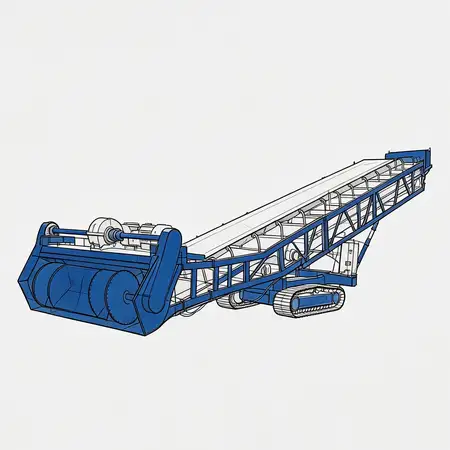
The self‑feeding truck‑loading conveyor is equipped with a rotating spiral reclaiming head at the feeding‑end. The spiral blades rotate to scrape bulk materials directly from the ground‑level stock‑pile. Materials are then delivered onto the integrated belt conveyor. Under mechanical drive, the belt transports aggregate toward the discharge outlet. Operators can adjust machine position, feeding speed and conveyor height. Continuous, stable bulk‑material feeding is realised without wheel‑loader scooping or manual shovelling.
- Rotating spiral head extracts bulk materials straight from material piles
- Transfers raw‑stock onto the belt conveyor for steady transportation
- Supports adjustable feeding speed, lifting height and working position
- Delivers non‑stop automatic loading with no intermittent‑cycle downtime
Value delivered to the customer
Cut Down Labour Costs
Automatic spiral‑head material‑fetching structure cuts down heavy‑duty manual work and lowers your long‑term staffing expense.
Boost Loading Throughput
Uninterrupted continuous feeding gets rid of intermittent waiting time, greatly raising your daily bulk cargo loading capacity.
Dust‑Free Operation
Sealed feeding and transporting design restrains flying dust at the source to satisfy local emission requirements at your stock‑yard.
Reduce Daily Running Expense
Electric‑driven operation replaces fuel‑burning loaders, bringing about low power consumption and cheap‑to‑replace wearing components.
Protect Transport Carriages
Gentle belt‑type material transportation avoids hard‑impact scooping damage and effectively prolongs the service life of truck containers.
Gain Flexible Site Adaptability
The movable compact‑sized unit works well inside narrow‑space yards without costly fixed‑rail civil construction.
Book a video meeting with our engineers →
Discuss your material handling requirements directly with our engineers. We will help you evaluate the right equipment solution based on your application, capacity, and site conditions.
Request a Quote
Tell us your material handling requirements. Our engineering team will provide a customized solution and quotation.