Container Loading & Unloading from Truck

Increase container utilization · Boost transport revenue · Reduce logistics costs

Container Loading & Unloading from Truck

Industry Challenges

Costly reach‑stacker outlay & difficult scheduling

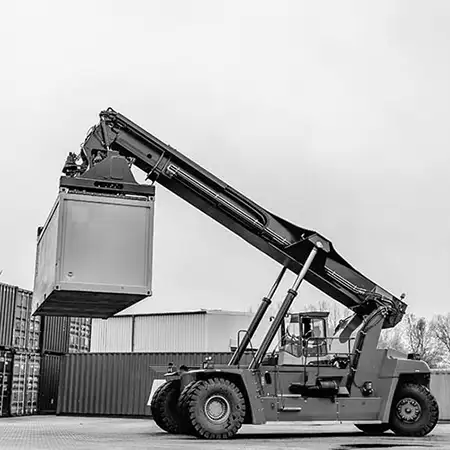
Reach‑Stacker: High Cost and Space Limits

Though popular for container operations, reach‑stackers require huge upfront investment and wide turning room. Frequent maintenance and spreader wear under dusty bulk‑material conditions cause downtime and truck congestion during infrequent handling tasks.
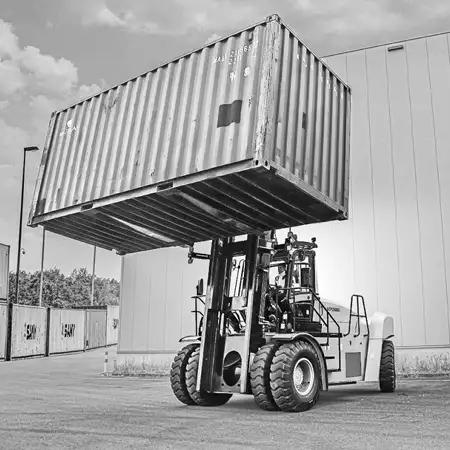
Heavy duty forklift for container

Heavy‑Duty Forklift: Unstable Lifting and Box Damage

Fork tines apply concentrated pressure to container bottoms and easily deform base beams. Heavy bulk‑filled containers trigger shaky lifting, rapid tyre wear and low‑speed cycles. Damaged containers generate recurring repair costs.
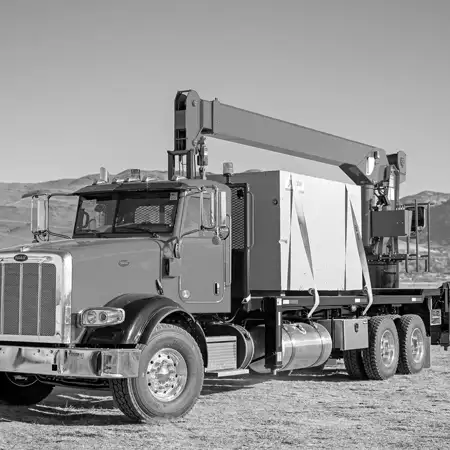
Truck‑Mounted Crane: Slow Speed and Harsh Site Restrictions

Outriggers need flat, spacious ground. Wind and rain suspend work. Manual hook‑up lengthens every operating cycle. Its low throughput fails peak‑hour lorry demands and creates manual‑hoisting safety hazards.
Container Loading & Unloading from Truck

Low‑cost Layout & Small‑space Adaptability

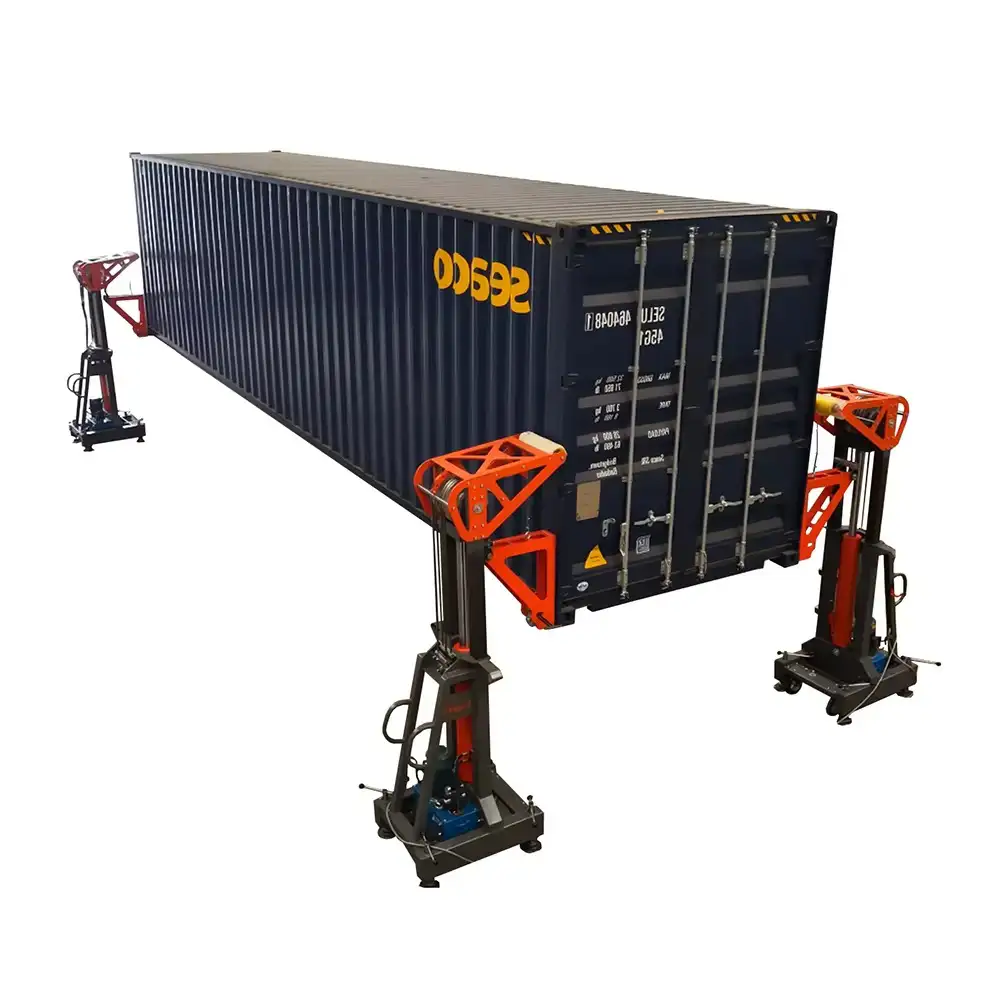
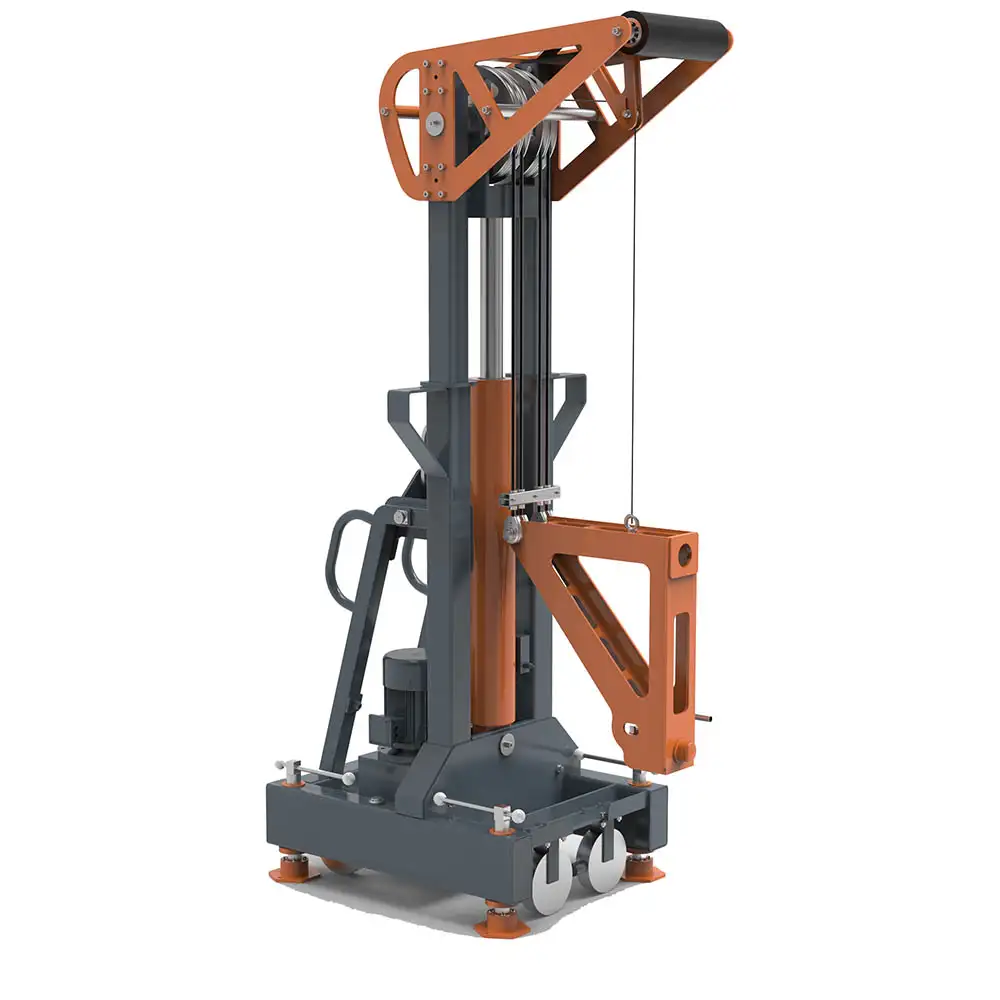
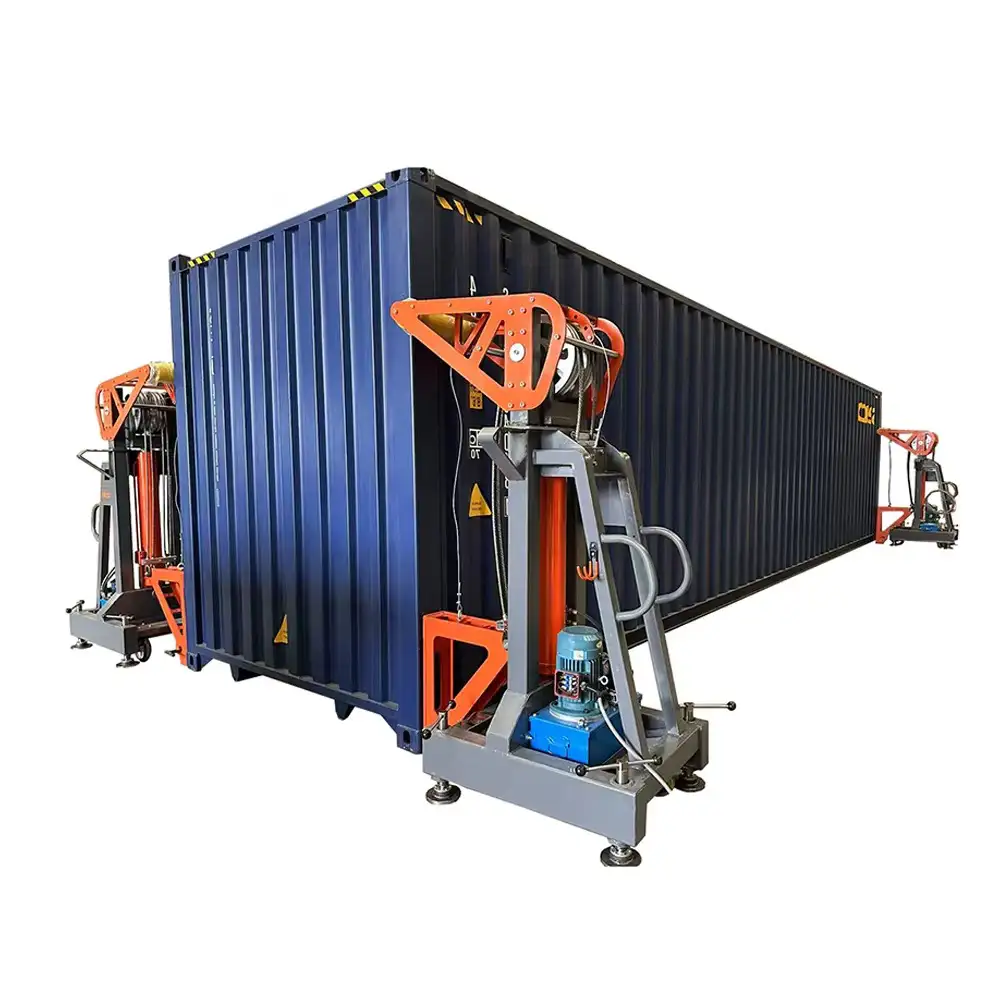
Our portable Container Jack‑Up System fastens onto four container corners directly. It requires no expensive heavy‑duty machinery or large turning radius. The compact equipment avoids idle‑asset loss and withstands abrasive bulk‑cargo dust to cut frequent component‑replacement downtime and truck queue‑ups.

  • Zero large‑scale yard requirement
  • Cuts heavy‑machine investment
  • Dust‑resistant hydraulic assembly
  • Eliminates idle‑equipment waste

Stable Lifting & Container‑bottom Protection

Four‑corner synchronized hydraulic jacks deliver evenly distributed lifting force. Unlike forklifts with concentrated tine pressure, our device prevents bottom‑beam bending, shaky hoisting and physical scratches to the container structure during heavy‑bulk handling.

  • Synchronized four‑point lifting
  • Uniform stress distribution
  • Shock‑free stable hoisting
  • Prevents container base damage
Container Jack‑Up System2

Fast Operation & Loose Site Requirements

No extended outriggers or perfectly flat ground are needed. The corner‑mounted unit tolerates uneven ground and mild bad‑weather conditions. Rapid corner locking shortens each loading‑unloading cycle and removes hazards brought by manual crane hook‑up.

  • No outrigger deployment needed
  • Broad terrain adaptability
  • Quick‑fit corner locks
  • Eliminates manual lifting risks
Container Jack‑Up System2

Normal Equipment VS ZFITA Container Jack‑Up System

 Traditional Container‑Handling Equipment (Reach‑Stacker / Heavy‑duty Forklift / Truck‑Mounted Crane)ZFITA Container Jack‑Up System
Operation RequirementNeeds large turning‑radius yard space or flat ground for outriggers; heavy‑duty equipment with huge investmentFour‑corner mounted portable unit, fits narrow‑space sites, low equipment cost
Container ProtectionFork concentrated pressure or unstable hoisting easily deforms the container bottom beam4‑point synchronous hydraulic lifting with even force, prevents base‑frame damage
Site & Weather RestrictionStrict requirements for flat ground; work suspended under strong wind and rainy weatherNo outriggers required, adapts to uneven ground and mild bad‑weather conditions
Operating Safety & EfficiencySlow manual hook connection, high tyre and spreader wear, frequent equipment idle lossFast‑fit corner locks for rapid cycles, eliminates manual hoisting hazards and wasted standby costs

Working Principle

The container tilter utilizes advanced hydraulic drive technology to tilt standard containers to a preset angle within the 15°–90° range.Driven by gravity, the material flows toward the front of the container, gradually filling the entire internal space to achieve high-density loading.Compared to traditional horizontal loading methods, this approach significantly improves volumetric utilization, reduces the number of shipments, and lowers logistics costs.

Container Jack‑Up System-4

Value delivered to the customer

Reduce logistics costs

Transport more cargo in each container.

Improve container loading efficiency

Reduce packing time and shipping cycles.

Reduce reliance on manual labor

Automated processes reduce labor costs.

Enhance transport safety

Reduce the risk of container bulging and cargo damage.

Improve customer satisfaction:

More stable and punctual delivery capabilities.

Higher return on investment

Continuously create long-term logistics value.

Book a video meeting with our engineers →

Discuss your material handling requirements directly with our engineers. We will help you evaluate the right equipment solution based on your application, capacity, and site conditions.

Request a Quote

Tell us your material handling requirements. Our engineering team will provide a customized solution and quotation.