Introduction
Bulk material handling is a critical process in many industries, including cement, mining, agriculture, chemical processing, ports, power generation, and construction materials. Efficient handling of bulk materials directly affects production efficiency, transportation costs, workplace safety, and overall operational performance.
From receiving raw materials to unloading, storing, conveying, and processing, every stage requires reliable bulk material handling equipment to ensure smooth and continuous operations.
This article explains the complete bulk material handling process, the key equipment involved, and how modern solutions help industries improve efficiency and reduce operating costs.
What Is Bulk Material Handling?
Bulk material handling refers to the process of moving, storing, and managing large quantities of loose materials such as powders, granules, aggregates, minerals, cement, coal, grain, and chemicals.
Unlike packaged goods, bulk materials are usually transported in large volumes without individual packaging. Therefore, specialized systems are required to handle materials efficiently throughout the supply chain.
Typical bulk materials include:
- Cement and clinker
- Fly ash and gypsum
- Coal and minerals
- Sand and aggregates
- Grain and agricultural products
- Chemical powders
- Fertilizer materials
A complete bulk material handling system usually includes unloading equipment, conveyors, storage facilities, weighing systems, and loading solutions.
The Main Steps of the Bulk Material Handling Process
1. Bulk Material Receiving and Transportation
The first stage of bulk material handling begins when materials arrive at a facility by truck, container, rail, or ship.
Transportation methods depend on:
- Material characteristics
- Transportation distance
- Required capacity
- Environmental conditions
For example, cement powder may be transported by bulk trucks, while minerals and aggregates are commonly delivered by dump trucks or conveyor systems.
At this stage, efficient unloading is essential because long unloading times can increase truck waiting costs and reduce logistics efficiency.
2. Bulk Material Unloading Process
Unloading is one of the most important steps in the bulk material handling process.
Traditional unloading methods often require:
- Manual operation
- Longer unloading time
- Higher labor costs
- Material residue inside vehicles
- Increased dust generation
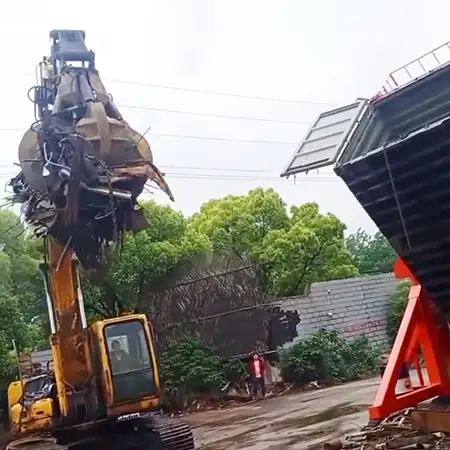
Modern industries increasingly use automated unloading equipment, such as:
- Hydraulic truck dumpers
- Container tilters
- Bulk powder unloading systems
These systems use controlled hydraulic lifting technology to tilt trucks or containers and discharge materials quickly, safely, and completely.
For industries handling cement, powder, and dry bulk materials, hydraulic unloading solutions can significantly improve productivity.
3. Material Conveying and Transfer
After unloading, bulk materials are transferred to storage areas or production lines.
Common conveying equipment includes:
- Belt conveyors
- Screw conveyors
- Bucket elevators
- Pneumatic conveying systems
- Mobile conveyor systems
The selection of conveying equipment depends on:
- Material density
- Particle size
- Moisture content
- Required capacity
- Transportation distance
A well-designed conveying system minimizes material loss and ensures continuous production.
4. Storage and Inventory Management
Proper storage management is essential for maintaining stable production.
Bulk materials are commonly stored in:
- Silos
- Warehouses
- Stockyards
- Bunkers
- Storage tanks
Modern storage systems may integrate:
- Level monitoring
- Automatic feeding systems
- Dust control systems
- Weighing solutions
Accurate inventory management helps companies avoid production interruptions and improve supply chain efficiency.
5. Material Weighing and Loading
Before materials enter production or transportation processes, accurate weighing is often required.
Industrial weighing systems help measure:
- Incoming raw materials
- Outgoing products
- Truck loading quantities
- Inventory levels
Reliable weighing solutions provide better control over:
- Material usage
- Transportation costs
- Production planning
For bulk industries, combining unloading, weighing, and handling systems creates a more efficient operational workflow.
Key Equipment Used in Bulk Material Handling Systems
A complete bulk material handling solution may include:
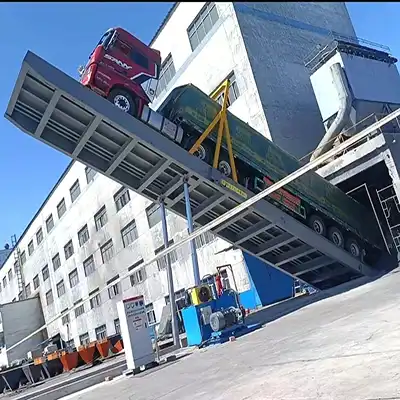
Hydraulic Truck Dumper
Hydraulic truck dumpers use hydraulic power to lift and tilt trucks for fast unloading of bulk materials.
Advantages include:
- Faster unloading cycles
- Reduced labor requirements
- Improved safety
- Less material residue
They are widely used in cement plants, mining operations, ports, and power plants.
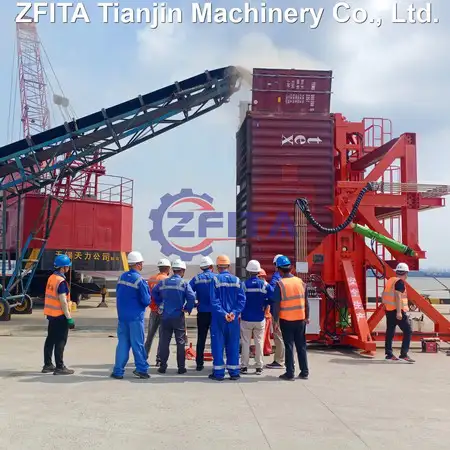
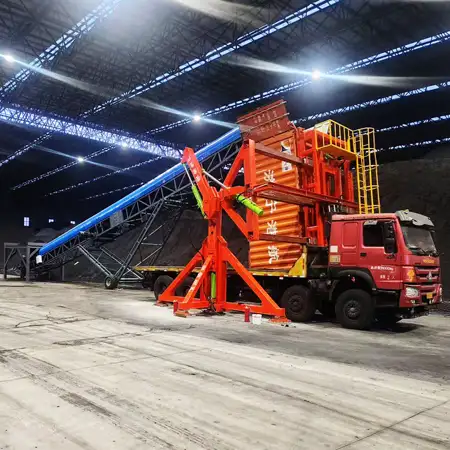
Container Tilter
Container tilters are designed for unloading materials transported in containers.
They provide:
- Efficient container discharge
- Reduced manual handling
- Improved container utilization
- Safer unloading operations
Container tilting solutions are especially useful for dry bulk materials transported internationally.
Conveyor Systems
Conveyors provide continuous material movement between different processing stages.
Benefits include:
- High transportation efficiency
- Lower operating costs
- Reduced material handling risks
Truck Weighing Systems
Vehicle weighing systems improve accuracy and operational control by monitoring material quantities during transportation.
They help companies:
- Prevent overloading
- Reduce transportation losses
- Improve logistics management
Challenges in Traditional Bulk Material Handling
Many industries still face challenges with conventional handling methods:
Slow unloading speed
Manual unloading can delay truck turnaround times and increase logistics costs.
Material residue
Powder and granular materials may remain inside trucks or containers, causing product loss.
High labor costs
Labor-intensive operations require more manpower and increase operational expenses.
Dust and environmental issues
Bulk material handling can create dust problems without proper equipment and control systems.
Limited production efficiency
Inefficient material flow can interrupt continuous production.
Modern bulk material handling equipment helps overcome these challenges through automation, improved safety, and optimized workflows.
How Modern Bulk Material Handling Solutions Improve Efficiency
Advanced bulk material handling systems provide several advantages:
Faster Material Transfer
Automated unloading and conveying equipment reduce handling time and improve truck turnaround.
Lower Operating Costs
Reduced labor requirements and improved efficiency help companies control expenses.
Better Workplace Safety
Hydraulic and automated systems minimize manual intervention during heavy material handling operations.
Improved Material Recovery
Efficient unloading systems reduce material remaining inside trucks and containers.
More Sustainable Operations
Optimized handling processes help reduce energy consumption, dust emissions, and unnecessary transportation delays.
Choosing the Right Bulk Material Handling Solution
When selecting bulk material handling equipment, companies should consider:
Material Characteristics
Different materials require different handling technologies.
Important factors include:
- Density
- Particle size
- Moisture level
- Flowability
Required Capacity
Equipment capacity should match production requirements and transportation volume.
Operating Environment
Industrial conditions such as temperature, dust, and available space influence system design.
Automation Requirements
Modern facilities increasingly require automated solutions to improve efficiency and reliability.
ZFITA: Your Partner for Bulk Material Handling Solutions
ZFITA provides customized bulk material handling solutions for industries requiring efficient unloading, weighing, and material transfer.
Our solutions include:
- Hydraulic Truck Dumpers
- Container Tilters
- Dry Bulk Material Handling Systems
- Truck Weighing Solutions
- Customized hydraulic handling equipment
By combining engineering expertise with practical industrial experience, ZFITA helps customers improve unloading efficiency, reduce operational costs, and build more reliable material handling processes.
Conclusion
The bulk material handling process involves multiple stages, including receiving, unloading, conveying, storage, weighing, and loading. Each stage plays an important role in maintaining efficient industrial operations.
With the development of automated equipment and integrated handling systems, companies can achieve faster material movement, improved safety, and lower operating costs.
For industries handling cement, powders, minerals, chemicals, and other dry bulk materials, investing in reliable bulk material handling equipment is essential for long-term operational success.