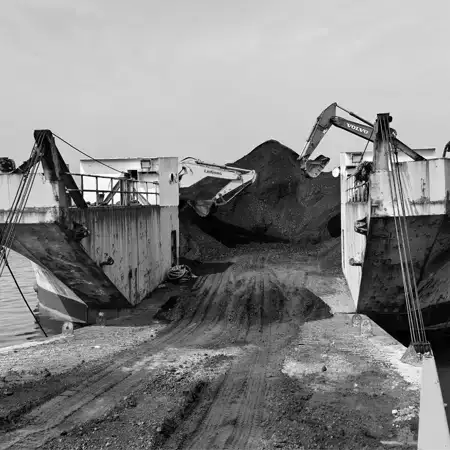
Ship Unloading
Increase container utilization · Boost transport revenue · Reduce logistics costs
Industry Challenges

Low Unloading Efficiency
Large volumes of bulk material require fast and continuous unloading, but conventional handling methods can struggle to maintain high throughput, especially when cargo must be repeatedly moved from the vessel to the shore.

Complex Bulk Cargo Handling
Bulk cargo can vary significantly in density, particle size, moisture, and flowability, making it difficult to achieve stable and efficient unloading with a single handling method.
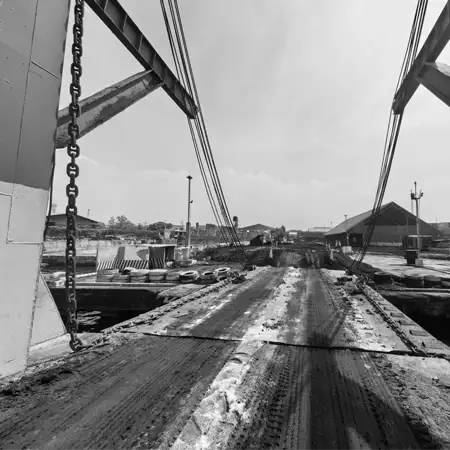
Spillage, Dust & Material Loss
During ship unloading, uncontrolled material flow can cause spillage, dust generation, cargo loss, and additional cleanup work, affecting both operating efficiency and the working environment.
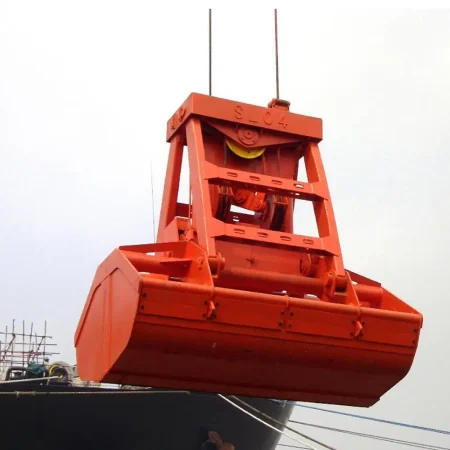
Ship Unloading
High-Capacity & Efficient Handling
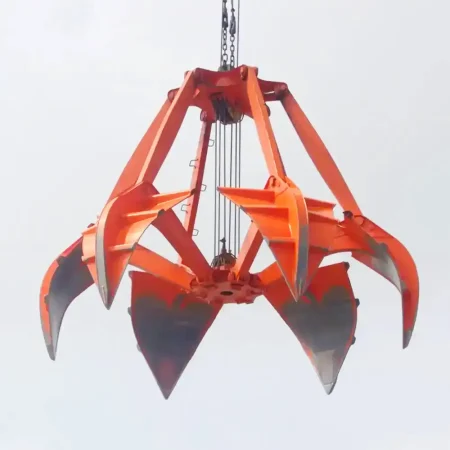
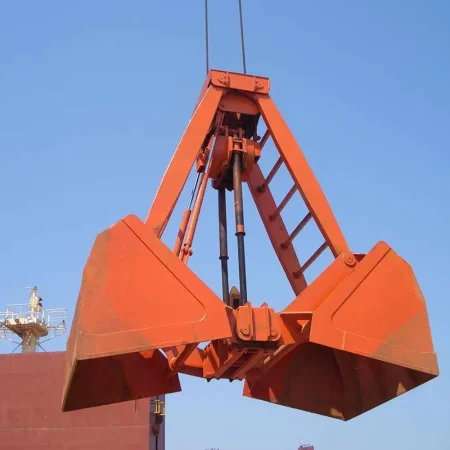
Our heavy-duty grabs are designed for fast and continuous bulk cargo unloading, delivering high grabbing capacity and efficient material transfer while minimizing unnecessary handling cycles.
- High Grab Capacity
- Fast Material Handling
- Continuous Operation
- High Unloading Efficiency
Versatile Material Handling
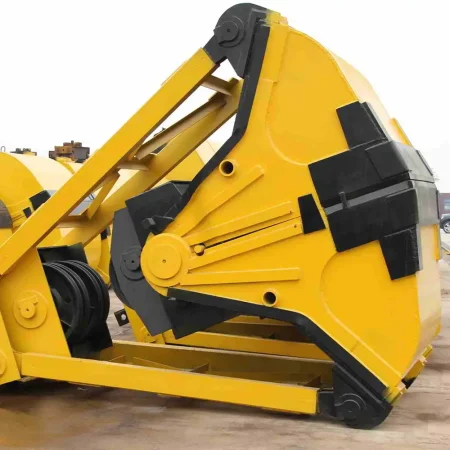
Different grab configurations can be selected according to material type, density, particle size, and operating conditions, providing a flexible solution for a wide range of bulk cargo.
- Multiple Grab Configurations
- Wide Material Compatibility
- Adaptable Capacity
- Flexible Operation
Controlled & Clean Discharge
Precise grabbing and controlled material discharge help minimize spillage, dust generation, and cargo loss, creating a cleaner and more manageable unloading process.
- Precise Grabbing
- Controlled Discharge
- Reduced Spillage
- Lower Dust Generation
Traditional Ship Unloading vs. Grab-Based Unloading
| Traditional Unloading Methods | ZFITA Grab-Based Solution | |
|---|---|---|
| Unloading Efficiency | Multiple handling steps can limit throughput and increase unloading time. | High-capacity grabs enable fast and continuous bulk material handling. |
| Material Adaptability | Handling efficiency may vary significantly with different bulk materials. | Different grab configurations adapt to various material types and conditions. |
| Material Loss | Spillage during grabbing, transfer, and discharge can increase cargo loss. | Controlled grabbing and discharge help minimize spillage and material loss. |
| Dust & Cleanliness | Uncontrolled material flow can generate more dust and require additional cleanup. | Precise operation helps reduce dust generation and keeps the unloading area cleaner. |
Working Principle
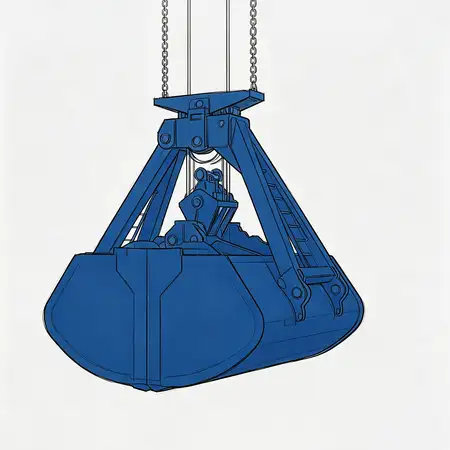
The grab is positioned above the bulk cargo in the vessel hold and opened to the required width before descending into the material. The grab then closes to capture the cargo, lifts it from the hold, and moves to the designated discharge point. Once positioned, the grab opens in a controlled manner to release the material into the receiving hopper, truck, conveyor, or other transfer equipment. The cycle is then repeated continuously to achieve efficient bulk cargo unloading.
Value delivered to the customer
Faster Ship Turnaround
High-capacity grabbing and continuous operation help shorten unloading time and improve vessel turnaround.
Higher Unloading Productivity
Efficient material handling increases throughput and helps operators handle more cargo within each working shift.
Flexible Material Handling
Adaptable grab configurations allow the system to handle different bulk materials and operating conditions.
Reduced Material Loss
Controlled grabbing and discharge help minimize spillage and unnecessary cargo loss during unloading.
Cleaner Working Environment
Precise material handling helps reduce dust generation and keeps unloading areas cleaner and easier to maintain.
Lower Operating Costs
Higher productivity, reduced cleanup, and fewer handling losses contribute to lower overall unloading costs.
Book a video meeting with our engineers →
Discuss your material handling requirements directly with our engineers. We will help you evaluate the right equipment solution based on your application, capacity, and site conditions.
Request a Quote
Tell us your material handling requirements. Our engineering team will provide a customized solution and quotation.